

76979871

Investment Strategy

Investing with intention, growing with purpose.

We craft investment strategies that aim to reflect your life's work and future dreams. Our team strives to align your portfolio with the risk necessary to help you achieve your goals and respect your values. We explain complex concepts simply, keeping you informed throughout. At Outcome, our goal is to deliver thoughtful, personalized strategies to help your wealth flourish.

How it works.

  • Analyze the level of risk you need to accept to develop a personalized investment strategy that is designed to balance growth with security in a risk budget.
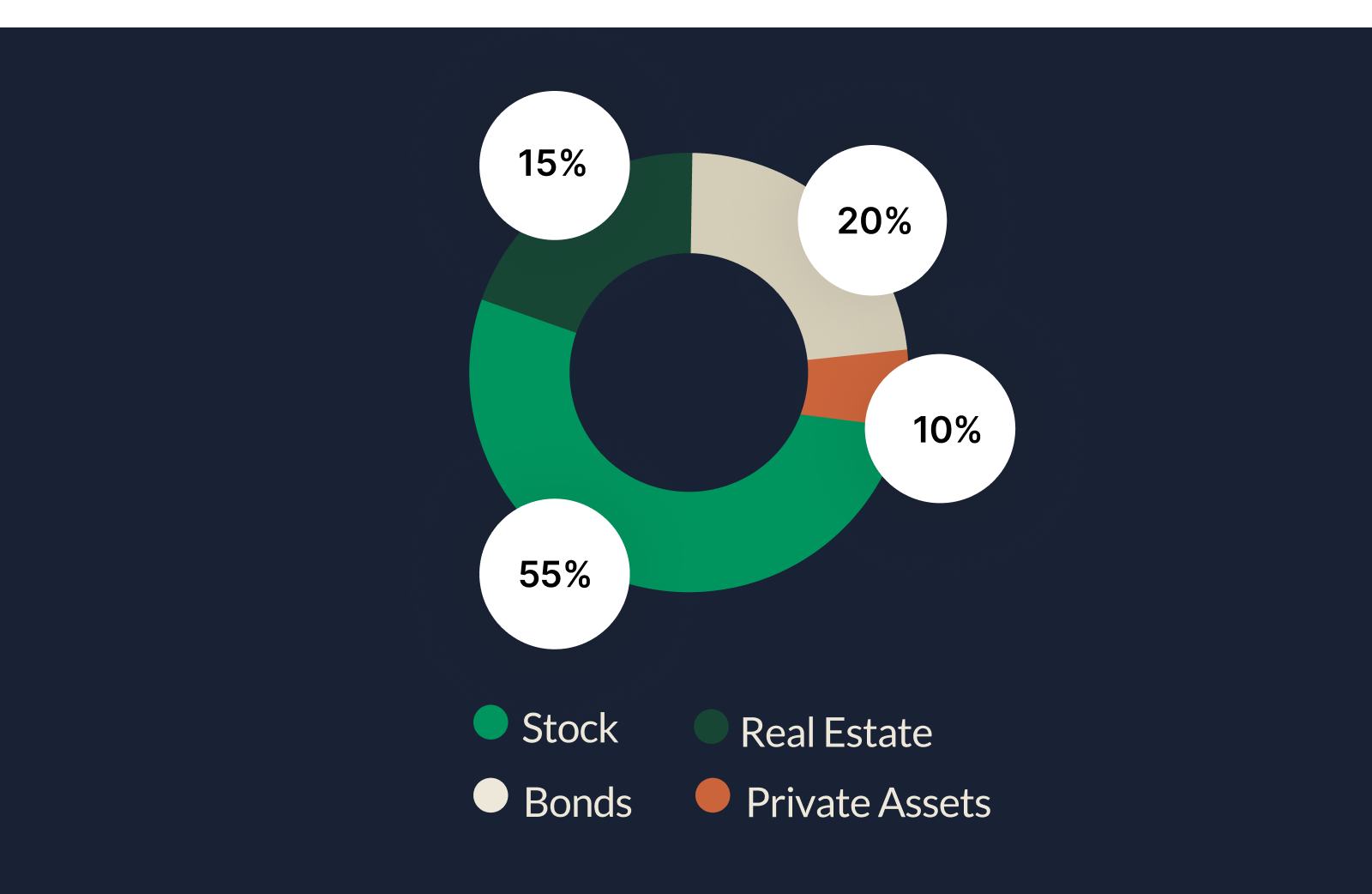
  • Evaluate your wealth allocation and diversity across asset classes to create coordinated and diversified investment strategies for your potential for long term stability.
  • Review tax efficient investment strategies that can better position return opportunities while considering your investment strategies and potential income generation.

  • Analyze the level of risk you need to accept to develop a personalized investment strategy that is designed to balance growth with security in a risk budget.
  • Evaluate your wealth allocation and diversity across asset classes to create coordinated and diversified investment strategies for your potential for long term stability.
  • Review tax efficient investment strategies that can better position return opportunities while considering your investment strategies and potential income generation.

Sample client recommendations.

Investment Recommendation

Systematic Dollar-Cost Averaging Implementation

Implement a dollar-cost averaging strategy: Instead of trying to time the market, set up automatic monthly investments into a diversified portfolio of lower cost index funds or ETFs. This approach can help reduce the impact of market volatility on your investments over time.

Example: Tom, a 40-year-old software engineer, decides to invest $24,000 annually in a total stock market ETF. Instead of investing a lump sum, he sets up automatic bi-weekly purchases of $923 (coinciding with his pay schedule). Over the course of a year, when the market dips in March and October, his $923 buys more shares; when it rises in July and December, it buys fewer. By year's end, Tom's average purchase price is lower than the average market price for the year, demonstrating the potential benefit of lower dollar-cost averaging.

Investment REcommendation

Annual Portfolio Rebalancing Protocol

Rebalance your portfolio annually: Set a reminder to review and rebalance your investment portfolio once a year. This can help maintain your target asset allocation and can potentially improve returns by systematically buying low and selling high.

Example: Lisa, a 50-year-old accountant, has a target allocation of 70% stocks and 30% bonds. After a year of strong stock performance, her $500,000 portfolio has shifted to 75% stocks ($375,000) and 25% bonds ($125,000). During her annual rebalance, she sells $25,000 of stock funds and buys $25,000 of bond funds to return to her target allocation. This process can lock in some of her stock gains and maintains her desired risk level, preparing her portfolio for whatever the market does next.

* These examples provide certain potential financial strategies that are based on various assumptions and are therefore hypothetical in nature and not guarantees of investment returns. You should consult your tax and/or legal advisors before implementing any transactions and/or strategies concerning your finances.